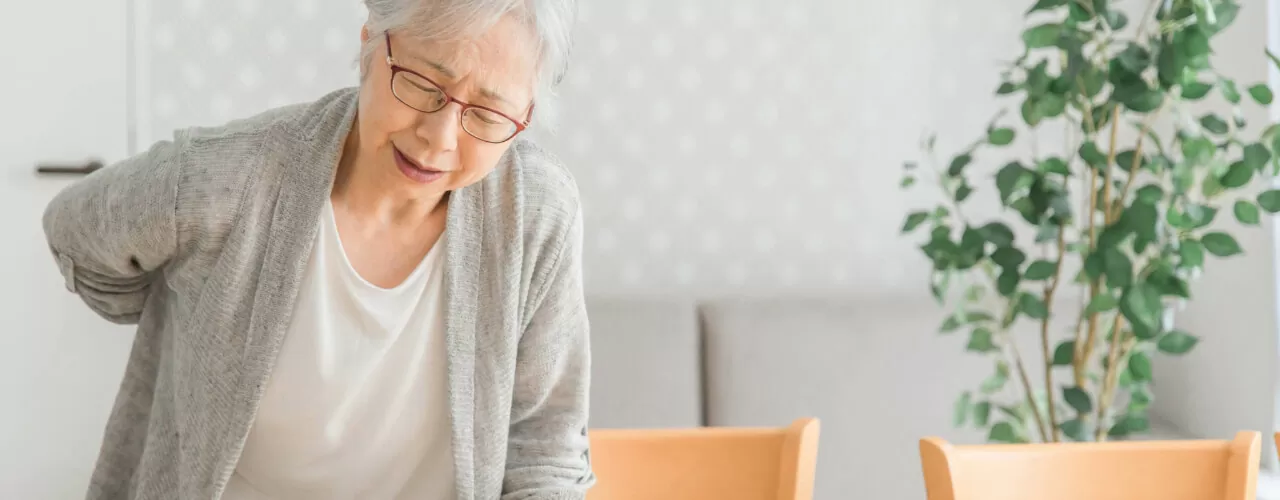


Arthritis in seniors can often be a silent adversary, quietly eroding the joys of everyday life. Meet Margaret, a vibrant 72-year-old retiree who enjoyed daily walks by the lakeside, letting the crisp morning air flow over her. However, in recent months, Margaret found herself unable to walk due to persistent aches in her knees. Missing her daily routine and active lifestyle, Margaret turned to physical therapy.
Physical therapy offers numerous methods to help manage and reduce joint pain and arthritis. Whether your pain is caused by arthritis or another condition, our dedicated team at Lycoming Physical Therapy will create a personalized plan designed to help you find relief from your discomfort and work toward your lifestyle goals!
Ready to get started with physical therapy for joint pain? Call our clinic today to learn more!
Understanding Joint Pain and Arthritis
For Margaret, the journey from a carefree stroll to wincing with each step was perplexing and disheartening. Even the simplest tasks like bending down to tie her shoelaces became a daunting challenge. Understanding symptoms of joint pain, specifically ones that can be caused due to arthritis, is important for determining your next steps toward relief.
Common Markers of Joint Pain Due to Arthritis:
Pain and Discomfort:
- Persistent aches or sharp pain in one or more joints, often exacerbated by movement or weight-bearing activities.
Stiffness:
- Difficulty moving a joint, particularly noticeable after periods of inactivity or upon waking in the morning.
Swelling:
- Visible or palpable swelling around the affected joint, accompanied by warmth and tenderness to the touch.
Limited Range of Motion:
- Difficulty in fully extending or flexing the joint, resulting in reduced flexibility and functional impairment.
Joint Instability:
- Feeling of looseness or instability in the joint, leading to a sense of insecurity or fear of injury during movement.
Joint pain in seniors like Margaret often stems from the gradual wear and tear of cartilage, leading to conditions such as arthritis.
Types of Arthritis:
Osteoarthritis:
- The most common form of arthritis in seniors, osteoarthritis occurs due to the gradual breakdown of cartilage, the protective tissue that cushions the ends of bones in the joint.
- Causes: Age-related wear and tear, repetitive stress on the joint, obesity, joint injury, or trauma.
Rheumatoid Arthritis:
- An autoimmune disorder characterized by inflammation of the joint lining, leading to pain, swelling, and eventual joint damage.
- Causes: Genetic predisposition, environmental factors, abnormal immune response attacking healthy joint tissue.
Gout:
- A type of arthritis caused by the buildup of uric acid crystals in the joints, resulting in sudden and severe attacks of joint pain, often in the big toe.
- Causes: Diet high in purines (found in red meat and seafood), excessive alcohol consumption, and certain medications.
How Physical Therapy Can Help with Arthritis in Seniors
Enter physical therapy—a beacon of hope in Margaret’s journey towards reclaiming her mobility and independence. Our physical therapists at Lycoming Physical Therapy crafted a tailored treatment plan to address her unique needs. Through a combination of targeted exercises, gentle stretching, and hands-on therapy, Margaret began to experience gradual improvements in her joint function and pain levels.
Treatment Methods:
- Therapeutic Exercise:
- Range of Motion Exercises: Gentle movements designed to improve joint flexibility and reduce stiffness, promoting easier and pain-free mobility.
- Strengthening Exercises: Targeted exercises to strengthen muscles surrounding the affected joints, providing greater support and stability.
- Manual Therapy Techniques:
- Joint Mobilization: Hands-on techniques to gently manipulate the affected joint, restoring normal movement and reducing pain.
- Soft Tissue Mobilization: Massage and stretching techniques aimed at releasing tension in muscles and connective tissues, promoting relaxation and improving joint function.
- Modalities for Pain Relief:
- Heat Therapy: Application of heat packs or warm baths to increase blood flow to the affected area, soothing muscle stiffness and reducing pain.
- Cold Therapy: Use of ice packs or cold compresses to alleviate inflammation and numb pain in swollen joints, particularly effective after physical activity or during acute flare-ups.
- Assistive Devices and Orthotics:
- Joint Supports: Braces, splints, or orthopedic devices designed to stabilize and support weakened or damaged joints, reducing pain and preventing further injury.
- Assistive Devices: Canes, walkers, or ergonomic aids to assist with mobility and activities of daily living, promoting independence and reducing joint stress.
- Education and Lifestyle Modifications:
- Joint Protection Techniques: Guidance on proper body mechanics and ergonomic principles to minimize stress on the joints during daily activities, preventing exacerbation of symptoms.
- Activity Modification: Adaptations to daily routines and recreational activities to accommodate limitations imposed by arthritis, ensuring safe and enjoyable participation.
- Nutritional Counseling: Recommendations for a balanced diet rich in anti-inflammatory foods, promoting joint health and overall well-being.
Physical therapy interventions empower seniors like Margaret to actively manage their arthritis, regain function, and rediscover the joys of life without debilitating joint pain. At our clinic, we are committed to providing personalized care and support, guiding you every step of the way toward a pain-free future.
Reclaim Your Life with Physical Therapy
Margaret’s story is a testament to the transformative power of physical therapy in managing joint pain and restoring vitality to seniors’ lives. Don’t let joint pain hold you back any longer; reclaim your life with our dedicated team. Call us to learn more about physical therapy for arthritis in seniors and discover if this treatment is right for you!
Tags: Arthritis, natural treatment, physical therapy, physical therapist, pain relief, arthritis pain relief